

Bjorn Moller Research Repository (BMRR)
The BMRR is a biobanking initiative collecting biosamples and demographic data of individuals living with PD, other movement disorders, as well as healthy controls. Participants will consent for their biosamples and data to be used in multiple future research studies. Participation involves collection of fecal and urine samples at home, online questionnaires, and an in-person visit at UBC to complete a blood draw and clinical assessments. A follow-up visit will be completed 18 months after the baseline visit.
Principal Investigator: Dr. Silke Appel-Cresswell
Primary contact: Solenne Villemer
604-822-4356
bjorn.moller.repository@ubc.ca
Galvanic Vestibular Stimulation for Parkinson’s Disease Symptom Control
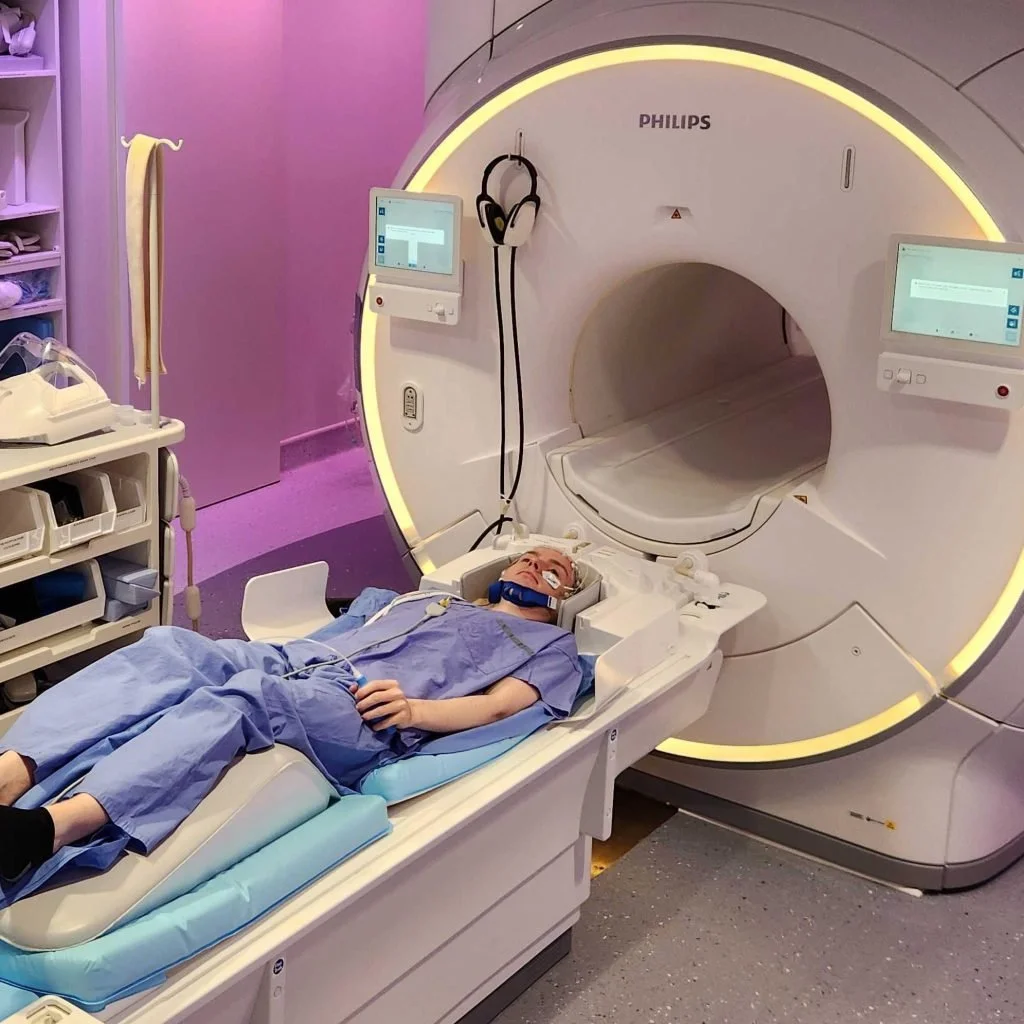
Galvanic Vestibular Stimulation (GVS) is a non-invasive technique that stimulates the vestibular system and has shown improvements in motor and non-motor symptoms of Parkinson’s disease. This study aims to investigate the effects of different GVS stimuli on brain activity in people living with Parkinson’s disease compared to healthy controls by using a combination of GVS and fMRI. Participants will complete questionnaires and then undergo GVS while inside the MRI scanner.
Principal Investigator: Dr. Martin McKeown
Primary contact: mckeown.lab@ubc.ca

PD Diet Study- In Person or Remote!
In Person
This 12-month pilot study will assess and optimize the feasibility of an active intervention diet compared to a standard (control) diet in people living with Parkinson's Disease without dementia. Onsite study visits (screening, baseline, months 3, 6, and 12) will include collection of biological samples, questionnaires, and two MRI scans; regular remote study assessments will include online questionnaires, telephone calls, and Zoom videoconferencing to complete coaching and cooking sessions.
Remote
This 12-month pilot study will evaluate the feasibility of an active intervention diet compared to a standard (control) diet in people, aged 40-80 years, living with Parkinson's Disease without dementia. Remote study visits (screening, baseline, months 3, 6, and 12) will include collection of biological samples at a local lab in your area, online questionnaires, and activity levels (Fitbit). Remote study assessments will also include regular Zoom videoconferencing to complete coaching and cooking sessions, and telephone check-ins.
Principal Investigator: Dr. Silke Appel-Cresswell
Primary contact: Annie Kuan
604-827-0576
pd.diet@ubc.ca
PD GENEration: Parkinson’s Foundation Genetic Registry
PD GENEration is an international research study that provides genetic testing and genetic counseling at no cost for people diagnosed with Parkinson’s disease (PD).
Genetic results from people with PD tested through PD GENEration show that approximately 12.42% of people with Parkinson’s have a genetic variant (a change in their DNA) in the primary genes tested, contributing to their disease. These variants are found in multiple genes known to play a role in Parkinson’s.
Participating in PD GENEration empowers you and your care team with your genetic data. Further, the genetic data contributes to research to better understand how those with genetic forms of PD experience symptoms and respond to treatment. This information helps scientists and medical professionals develop improved treatments and personalized medicine strategies that treat PD.
Principal Investigator: Dr. Silke Appel-Cresswell
Primary contact: Sahib Dhaliwal
604-827-1353
pd.gene@ubc.ca or sahib.dhaliwal@ubc.ca

ProD Trial
This study investigates the use of a multi-strain probiotic supplement for the treatment of depression, associated mood disorders, and cognitive impairment in individuals with PD, and to better understand the mechanism of the gut-brain axis in this context. Participants will be randomized to either 12-week multi-strain probiotic treatment or placebo and provide biological samples and questionnaires.
Principal Investigator: Dr. Silke Appel-Cresswell
Primary contact: Matthew Leung
604-827-1905
matthew.leung@ubc.ca

REM-Sleep Behavior Disorder (RBD) and the Microbiome of the Gut
The REM-Sleep Behavior disorder (RBD) and the microbiome of the gut study aims to examine the gut microbiome of individuals with RBD and investigate correlations between microbial communities, inflammation, and clinical characteristics over the course of 5 years. Participants may either have a diagnosis of RBD or participate as a healthy control and will provide biological samples and complete questionnaires once per year.
Principal Investigator: Dr. Silke Appel-Cresswell
Primary contact: Solenne Villemer
604-822-4356
solenne.villemer@ubc.ca

Vancouver Parkinson’s Research Initiative
The Vancouver Parkinson’s Research Initiative (VPRI) is one of nine sites in four provinces of the Canadian Open Parkinson Network (C-OPN), which is a nationwide network that supports Parkinson’s research in Canada. This study aims to learn more about the development of Parkinson’s disease by collecting data and blood samples to be stored for researchers to use in future studies. Participants in this study will be asked to complete questionnaires, cognitive and motor assessments, and have blood samples collected. An optional component of the study is the contact registry, where contact information will be stored for future research participation.
Principal Investigator: Dr. Silke Appel-Cresswell
Primary contact: Olivia Bridgen
604-827-5373
o.brigden@ubc.ca
Video-Based Remote Assessment of Parkinson’s Disease
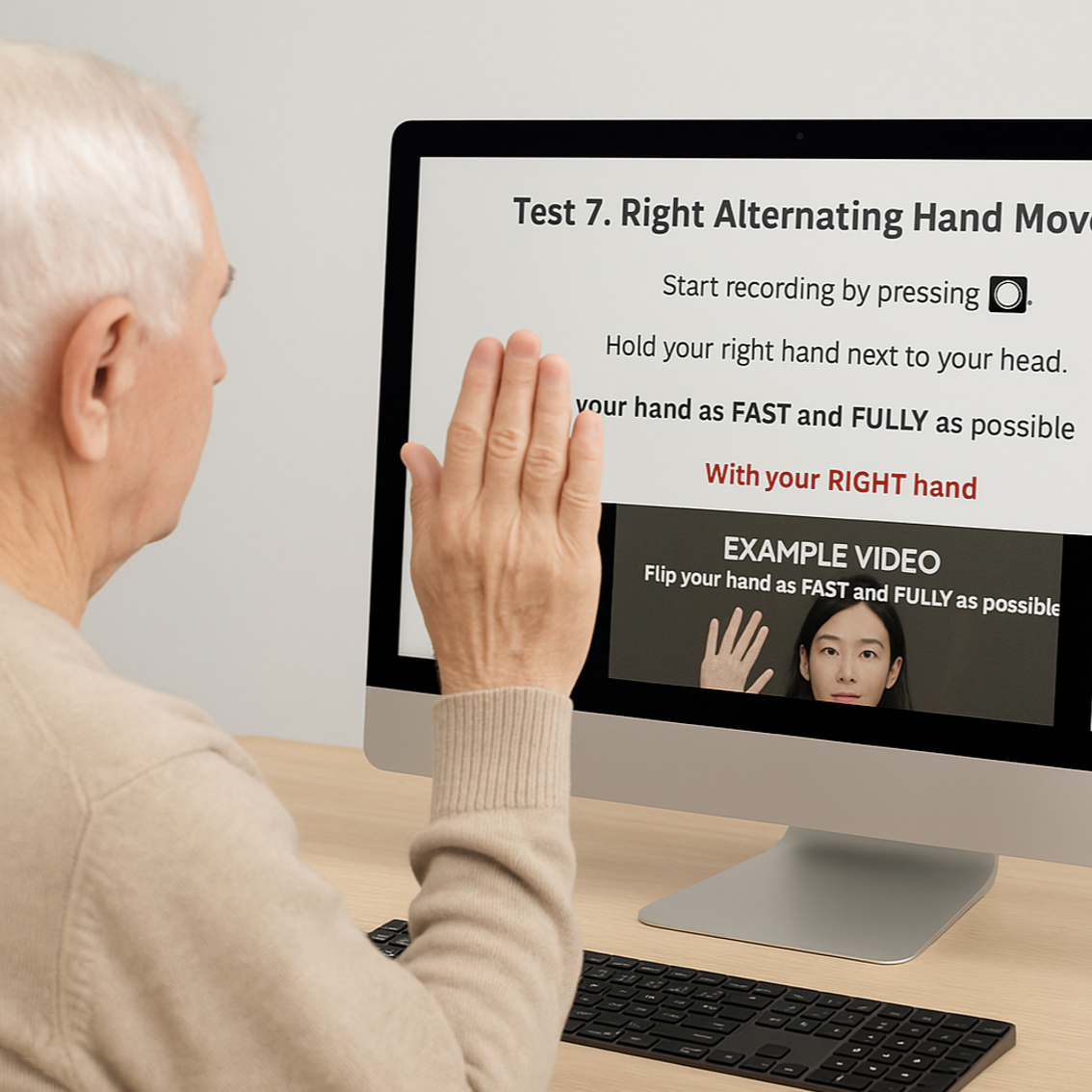
In patients with Parkinson’s Disease (PD), a neurodegenerative disorder, motor symptoms such as tremor and bradykinesia (slow movements) can often fluctuate over time. However, tracking these fluctuations and assessing disease severity to make treatment decisions is a challenge as patients are limited in their ability to visit their physician. Through the Canadian Open Parkinson Network (C-OPN), our goal is to create a large video dataset featuring some of the characteristic symptoms of PD (ie. tremor and bradykinesia) for the development of a deep learning algorithm that can frequently and remotely classify the severity of symptoms in patients. This remote research study will help to facilitate PD assessments from the comfort of home and better inform treatment decisions for clinicians.
Principal Investigator: Dr. Martin McKeown
Primary contact: mckeown.lab@ubc.ca

Wellness in Atypical Parkinsonism
Individuals living with atypical parkinsonisms including Progressive Supranuclear Palsy (PSP) and Corticobasal Degeneration (CBD) are invited to participate in this 8-week wellness program combining Chair Yoga, SongShine, and Peer Support Sessions delivered virtually on Zoom. Lead by instructors from the BC Brain Wellness Program, the virtual design of this program will allow us to enroll participants across British Columbia and in collaboration with the University of California San Diego. This project is funded by a first-ever collaboration between CurePSP and Parkinson Canada with the aim of addressing the significant gap in research in Atypical Parkinsonism. By measuring changes in well-being, resilience, and caregiver burden, the study aims to provide valuable data to inform future programs and expand access to non-drug therapies for people with atypical parkinsonism globally.
Principal Investigator: Dr. Silke Appel-Cresswell
Primary contact: Sahib Dhaliwal
604-827-1353
sahib.dhaliwal@ubc.ca

Clinical Trials
Clinical trials are studies that involve investigational medicines in the hopes to modify an aspect of your condition. These medicines have been approved for use by Health Canada for research purposes to study and assess the effectiveness and safety of the intervention. Most of these studies are placebo-controlled, which means that there is the active medicine versus a “dummy pill”. Please contact Annie Kuan to learn about active clinical trials at our Centre.
Primary contact: Annie Kuan
annie.kuan@ubc.ca
Other Research Opportunities
Parkinson Society BC: https://parkinson.bc.ca/about-us/research/join-a-research-study
Parkinson Canada: https://www.parkinson.ca/clinical-trial/
BC Brain Wellness Program: https://www.bcbrainwellness.ca/research
Djavad Mowafaghian Centre for Brain Health: https://www.centreforbrainhealth.ca/donate/ways-to-give/#time
Vancouver Coastal Health Research Centre: https://www.vchri.ca/participate