

Meet Our Team
The UBC Movement Disorders Clinic was established in the 1980’s and has been designated as a Center of Excellence by the Parkinson’s Foundation. Our multidisciplinary team includes neurologists, nurses, physiotherapy, occupational therapy, and social work, all working collaboratively to provide comprehensive, patient-centered care to meet the different needs of patients and family members. The UBC Movement Disorders Clinic is an academic clinic and your care may be provided by medical students, residents and fellows.
You will be assessed by a Movement Disorders Specialist (Neurologist) and may be assessed by any member of the multidisciplinary team as required.
Movement Disorder Specialists
Our neurologists specialize in movement disorders such as Parkinson’s disease, dystonia, tremor, multiple system atrophy and progressive supranuclear palsy. During your clinic visit they will provide comprehensive assessments and thorough investigations in order to diagnosis, manage and treat movement disorders by outlining a treatment and management plan for patients and their general practitioner (GP) to follow in between clinic visits.

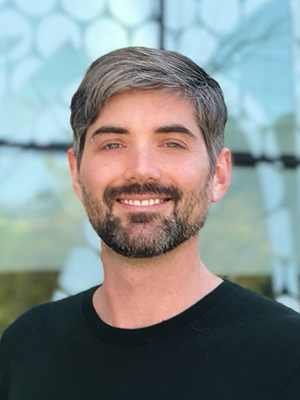
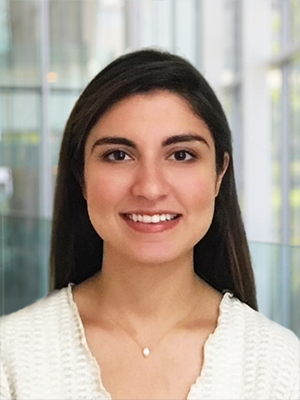

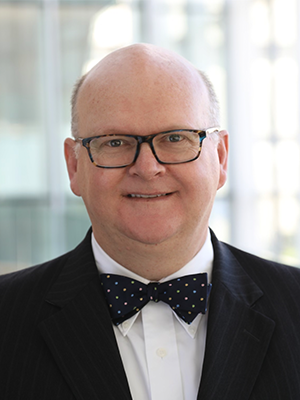
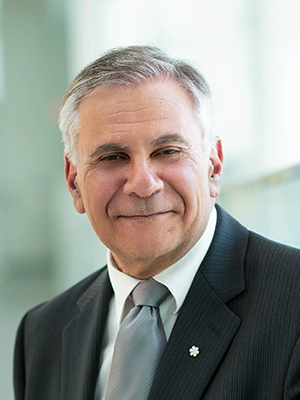
Clinical Nurses
Our nurses help coordinate care for patients and care partners within the team.
Their roles also include the following:
Nurse Practitioner:
Diagnoses and manages motor and non-motor symptoms of Parkinson's (including depression, anxiety, constipation, sleep disturbances, memory difficulties, hallucinations)
Offers medication management including monitoring, adjusting and refilling prescriptions
Collaborates with the patient and their family to identify health concerns from a holistic perspective
Provides education and counselling on healthy lifestyle, nutrition, exercise
Provides ongoing support to patients and their families living with Parkinson's and other movement disorders
Registered Nurse:
Provides education and self-management counselling regarding diagnosis and medications
Creates an opportunity for patients or family members to express any concerns or worries
Monitoring and assessing symptoms and medications between clinic visits
Provides telephone follow-up and support for new diagnoses
Refers to other team members and community resources when necessary
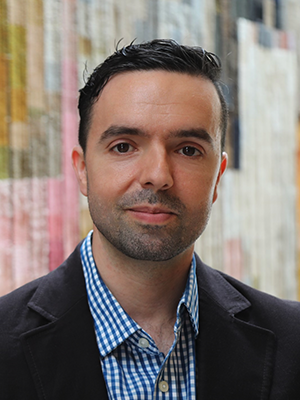
JOANNA DAVIS
NURSE PRACTITIONER
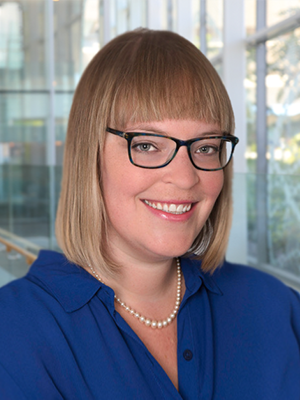
AMITA LEONARD
NURSE PRACTITIONER
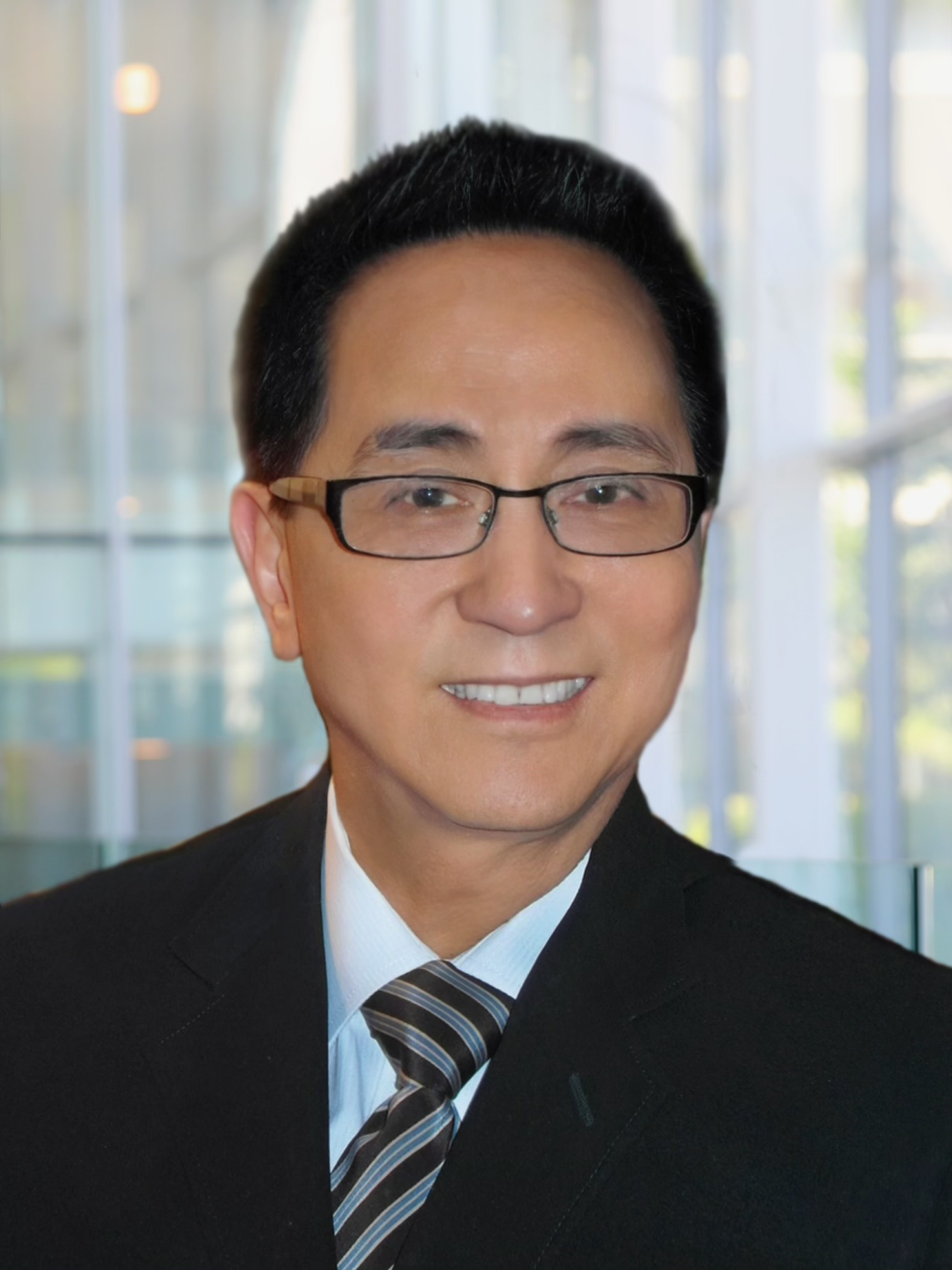
LAURA WONG
REGISTERED NURSE
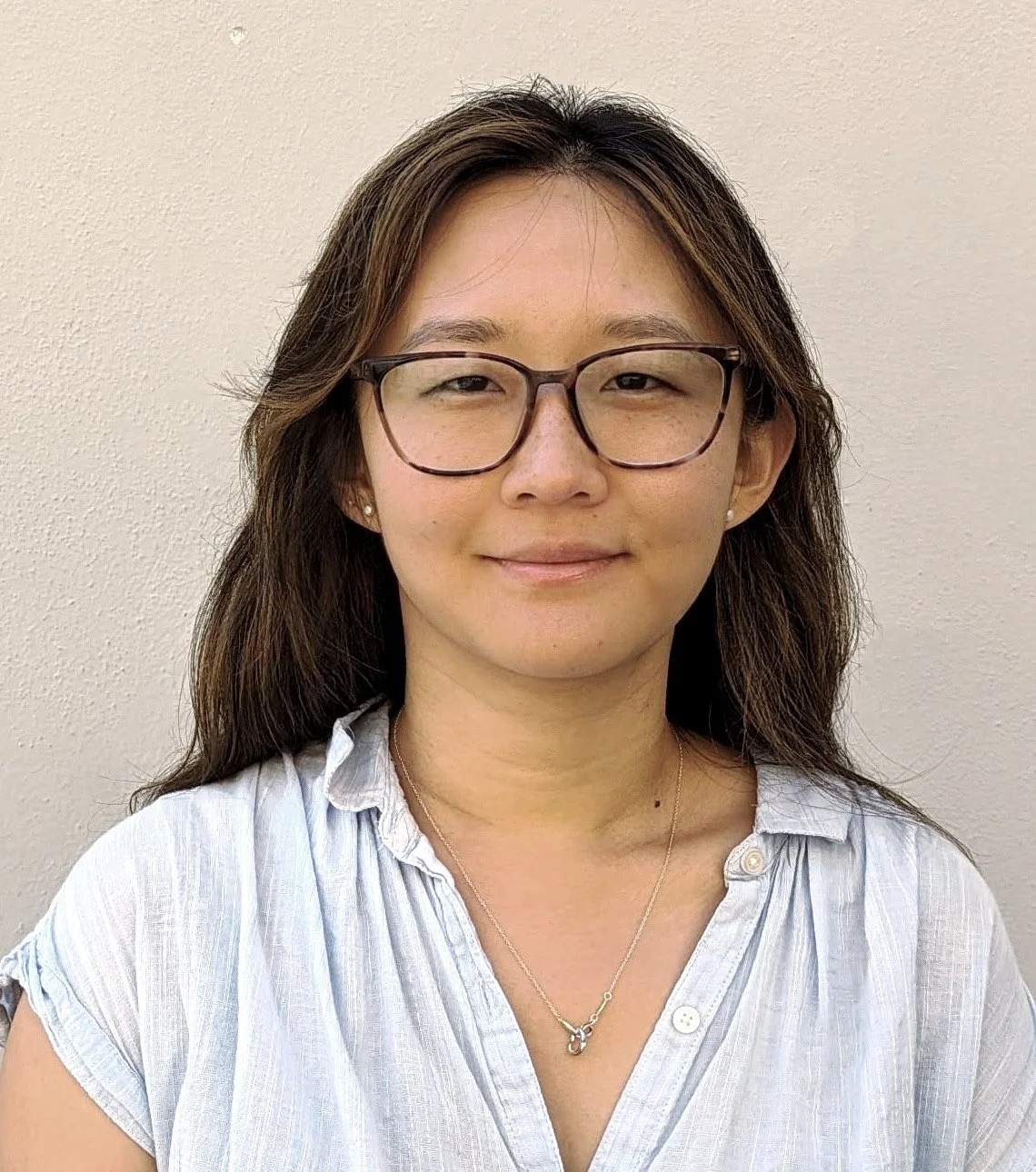
KATE CHAN
REGISTERED NURSE
Physiotherapy
Neurologists at the UBC Movement Disorders Clinic can refer you to the Physiotherapist.
The physiotherapist can help you manage the physical challenges at any stage of your diagnosis in the following ways:
Provides a comprehensive assessment of posture, strength, functional movements, walking, balance and risk of falls
Helps patients manage the physical challenges of movement disorders from diagnosis onwards
Provides education on the benefits of appropriate regular exercise and activities, including provision of a home exercise program and information on accessing community exercise programs
Provides education on reducing risk of falls and offers advice on appropriate equipment needs
Refers to other team members and community and outpatient therapists for assessments and interventions as needed
MICHELLE MCCARTHY
PT
Occupational Therapy
Neurologists at the UBC Movement Disorders Clinic can refer you to the Occupational Therapist for management of your Parkinson’s disease. The Occupational therapist can help you manage the functional challenges of PD from early diagnosis onwards in the following ways:
Analyze daily functions to facilitate ongoing management at home and in your community in a safe manner
Problem solve what performance components are limiting your function, and help find solutions along with you and your caregivers/family, through either a rehabilitative and/or compensatory approach
Use a holistic approach so you can participate in daily activities and find balance in your self-care, productivity, and leisure activities
Encourage self-management and provide tools to plan, organize, and execute goals to continue being an active member of your health care team
Provide home exercises and targeted techniques to continue making functional gains between direct therapy sessions
CARINA YEE
BSc, MSc. OT
Speech Language Pathology
The Speech-Language Pathologist can help you manage the swallowing and communication challenges of Parkinson’s disease in the following ways:
Provide education on how Parkinson’s disease may impact your ability to swallow foods, as well as changes that may occur to your communication abilities
Provide consultation on swallowing and/or communication difficulties, particularly changes to your voice
Refer you to other available resources
Olivia Chong
RSLP
Social Work
The social worker will help you and your family in navigating illness diagnosis and progression, gathering information, and connecting with the appropriate resources.
Counselling and support services include:
Providing information and referrals to help patients and family members understand, adjust to, and manage the emotional, social, and practical concerns that may arise because of Parkinson’s disease or other movement disorders
Discussing issues such as impact of illness on the person’s work, family, and lifestyle; loss of independence; grief; decision making; communication; impulse control issues; and caregiver stress.
Advance care planning conversation about beliefs, values, and wishes regarding future health care treatment and supporting documentation.
Connecting with community resources, including financial supports, home support, housing options, and respite care.
Counselling supports for emotional and mental health, including stress, anxiety, depression, and coping strategies.
OLIVIA BAUER
MSW, RSW